Omen is an AI agent that writes, validates, and debugs firmware on real hardware.
2500+ MCUs · Any peripheral, board, schematic
No output yet.
I use it as a second pair of eyes during integration. The built-in serial monitor means I'm not jumping between tools -- it watches the logs, catches bugs before I even realize something is wrong, and explains why it's happening. That visibility into what's actually going on has changed how I work. I'll dry run a concept, throw some tests at it, and make a call with actual data.

For Embedded Rust and Zephyr, boilerplate and custom hardware bringup used to cost me hours of going through docs. With Omen I get that in 2 minutes. And it's not just the time -- when you rush through bringup, those mistakes come back to bite you later. With Omen, the bringup feels taken care of and I can just focus on the interesting parts of the application.


Tanvesh Sarve
@Sarve___tanvesh
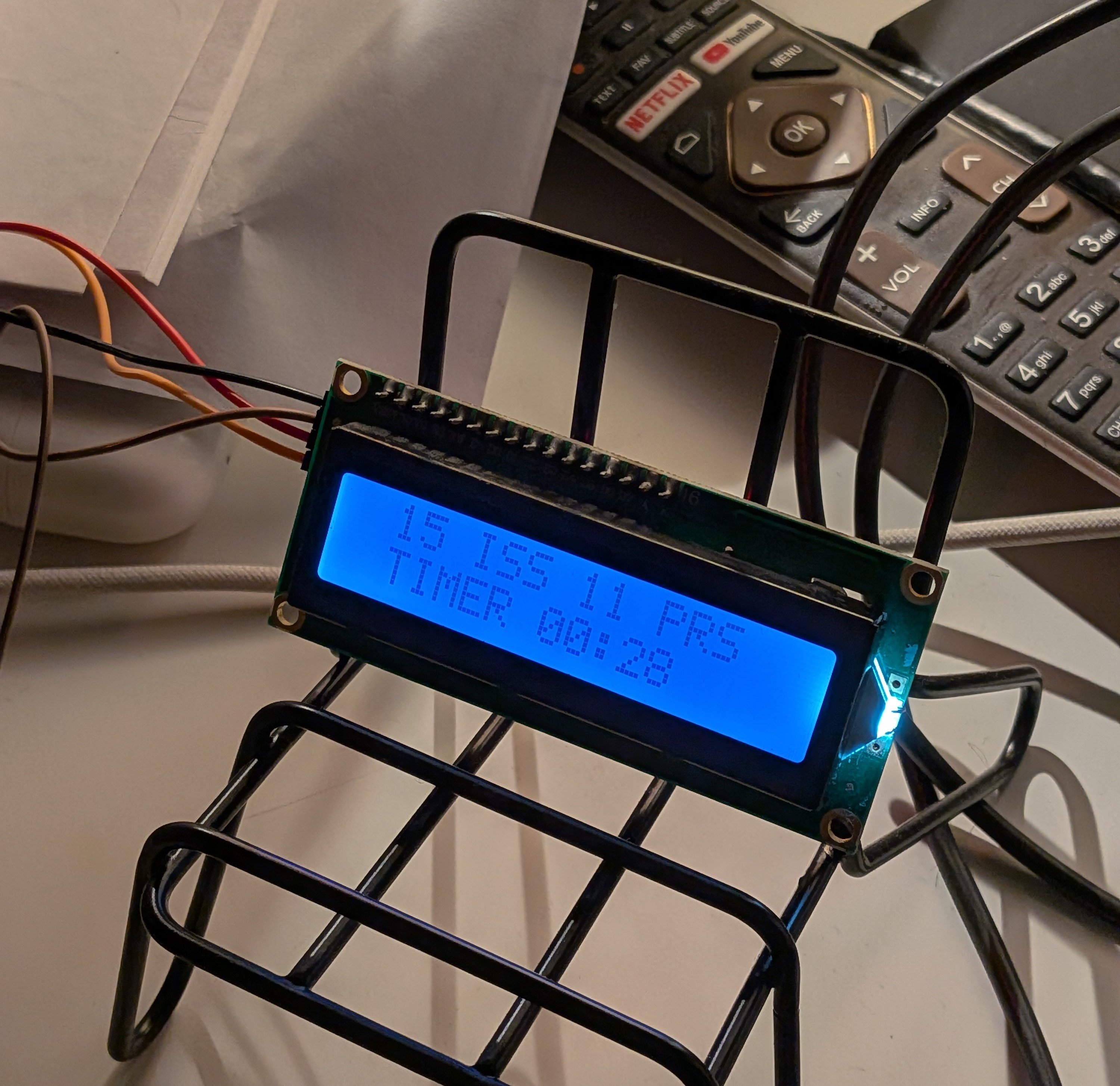
took it 10mins more but now my hermes is talking to it and showing me open issues and PRs with a focus timer!
May 19, 2026
Just wrapped up a firmware project on a complex board. I just uploaded the schematic and Omen understood everything. Even with proprietary datasheets, it figured out the context without me having to explain it. And Digvijay checks in every other day, everything I need just gets shipped. You can tell the tool is being built by someone who actually listens.

In day-to-day debug work during the Quality Assurance phase, we rarely see critical issues. Mostly environmental failures that we ignore and re-run in a healthy host environment. But opening dumps in T32 to analyze these false alarms still costs a lot of time. This tool drastically reduces that turnaround time, and if it is a critical issue, it flags code red and asks for engineer attention -- saving engineer time for quality work.

Senior Engineer · Samsung Semiconductor
I use it as a second pair of eyes during integration. The built-in serial monitor means I'm not jumping between tools -- it watches the logs, catches bugs before I even realize something is wrong, and explains why it's happening. That visibility into what's actually going on has changed how I work. I'll dry run a concept, throw some tests at it, and make a call with actual data.
For Embedded Rust and Zephyr, boilerplate and custom hardware bringup used to cost me hours of going through docs. With Omen I get that in 2 minutes. And it's not just the time -- when you rush through bringup, those mistakes come back to bite you later. With Omen, the bringup feels taken care of and I can just focus on the interesting parts of the application.

Tanvesh Sarve
@Sarve___tanvesh
took it 10mins more but now my hermes is talking to it and showing me open issues and PRs with a focus timer!

May 19, 2026
Just wrapped up a firmware project on a complex board. I just uploaded the schematic and Omen understood everything. Even with proprietary datasheets, it figured out the context without me having to explain it. And Digvijay checks in every other day, everything I need just gets shipped. You can tell the tool is being built by someone who actually listens.
In day-to-day debug work during the Quality Assurance phase, we rarely see critical issues. Mostly environmental failures that we ignore and re-run in a healthy host environment. But opening dumps in T32 to analyze these false alarms still costs a lot of time. This tool drastically reduces that turnaround time, and if it is a critical issue, it flags code red and asks for engineer attention -- saving engineer time for quality work.

Senior Engineer · Samsung Semiconductor
I use it as a second pair of eyes during integration. The built-in serial monitor means I'm not jumping between tools -- it watches the logs, catches bugs before I even realize something is wrong, and explains why it's happening. That visibility into what's actually going on has changed how I work. I'll dry run a concept, throw some tests at it, and make a call with actual data.
For Embedded Rust and Zephyr, boilerplate and custom hardware bringup used to cost me hours of going through docs. With Omen I get that in 2 minutes. And it's not just the time -- when you rush through bringup, those mistakes come back to bite you later. With Omen, the bringup feels taken care of and I can just focus on the interesting parts of the application.
Just wrapped up a firmware project on a complex board. I just uploaded the schematic and Omen understood everything. Even with proprietary datasheets, it figured out the context without me having to explain it. And Digvijay checks in every other day, everything I need just gets shipped. You can tell the tool is being built by someone who actually listens.
In day-to-day debug work during the Quality Assurance phase, we rarely see critical issues. Mostly environmental failures that we ignore and re-run in a healthy host environment. But opening dumps in T32 to analyze these false alarms still costs a lot of time. This tool drastically reduces that turnaround time, and if it is a critical issue, it flags code red and asks for engineer attention -- saving engineer time for quality work.

Senior Engineer · Samsung Semiconductor
I use it as a second pair of eyes during integration. The built-in serial monitor means I'm not jumping between tools -- it watches the logs, catches bugs before I even realize something is wrong, and explains why it's happening. That visibility into what's actually going on has changed how I work. I'll dry run a concept, throw some tests at it, and make a call with actual data.
For Embedded Rust and Zephyr, boilerplate and custom hardware bringup used to cost me hours of going through docs. With Omen I get that in 2 minutes. And it's not just the time -- when you rush through bringup, those mistakes come back to bite you later. With Omen, the bringup feels taken care of and I can just focus on the interesting parts of the application.
Just wrapped up a firmware project on a complex board. I just uploaded the schematic and Omen understood everything. Even with proprietary datasheets, it figured out the context without me having to explain it. And Digvijay checks in every other day, everything I need just gets shipped. You can tell the tool is being built by someone who actually listens.
In day-to-day debug work during the Quality Assurance phase, we rarely see critical issues. Mostly environmental failures that we ignore and re-run in a healthy host environment. But opening dumps in T32 to analyze these false alarms still costs a lot of time. This tool drastically reduces that turnaround time, and if it is a critical issue, it flags code red and asks for engineer attention -- saving engineer time for quality work.

Senior Engineer · Samsung Semiconductor
I use it as a second pair of eyes during integration. The built-in serial monitor means I'm not jumping between tools -- it watches the logs, catches bugs before I even realize something is wrong, and explains why it's happening. That visibility into what's actually going on has changed how I work. I'll dry run a concept, throw some tests at it, and make a call with actual data.
For Embedded Rust and Zephyr, boilerplate and custom hardware bringup used to cost me hours of going through docs. With Omen I get that in 2 minutes. And it's not just the time -- when you rush through bringup, those mistakes come back to bite you later. With Omen, the bringup feels taken care of and I can just focus on the interesting parts of the application.
Just wrapped up a firmware project on a complex board. I just uploaded the schematic and Omen understood everything. Even with proprietary datasheets, it figured out the context without me having to explain it. And Digvijay checks in every other day, everything I need just gets shipped. You can tell the tool is being built by someone who actually listens.
In day-to-day debug work during the Quality Assurance phase, we rarely see critical issues. Mostly environmental failures that we ignore and re-run in a healthy host environment. But opening dumps in T32 to analyze these false alarms still costs a lot of time. This tool drastically reduces that turnaround time, and if it is a critical issue, it flags code red and asks for engineer attention -- saving engineer time for quality work.

Senior Engineer · Samsung Semiconductor
Just wrapped up a firmware project on a complex board. I just uploaded the schematic and Omen understood everything. Even with proprietary datasheets, it figured out the context without me having to explain it. And Digvijay checks in every other day, everything I need just gets shipped. You can tell the tool is being built by someone who actually listens.
In day-to-day debug work during the Quality Assurance phase, we rarely see critical issues. Mostly environmental failures that we ignore and re-run in a healthy host environment. But opening dumps in T32 to analyze these false alarms still costs a lot of time. This tool drastically reduces that turnaround time, and if it is a critical issue, it flags code red and asks for engineer attention -- saving engineer time for quality work.

Senior Engineer · Samsung Semiconductor
I use it as a second pair of eyes during integration. The built-in serial monitor means I'm not jumping between tools -- it watches the logs, catches bugs before I even realize something is wrong, and explains why it's happening. That visibility into what's actually going on has changed how I work. I'll dry run a concept, throw some tests at it, and make a call with actual data.
For Embedded Rust and Zephyr, boilerplate and custom hardware bringup used to cost me hours of going through docs. With Omen I get that in 2 minutes. And it's not just the time -- when you rush through bringup, those mistakes come back to bite you later. With Omen, the bringup feels taken care of and I can just focus on the interesting parts of the application.

Tanvesh Sarve
@Sarve___tanvesh
took it 10mins more but now my hermes is talking to it and showing me open issues and PRs with a focus timer!

May 19, 2026
Just wrapped up a firmware project on a complex board. I just uploaded the schematic and Omen understood everything. Even with proprietary datasheets, it figured out the context without me having to explain it. And Digvijay checks in every other day, everything I need just gets shipped. You can tell the tool is being built by someone who actually listens.
In day-to-day debug work during the Quality Assurance phase, we rarely see critical issues. Mostly environmental failures that we ignore and re-run in a healthy host environment. But opening dumps in T32 to analyze these false alarms still costs a lot of time. This tool drastically reduces that turnaround time, and if it is a critical issue, it flags code red and asks for engineer attention -- saving engineer time for quality work.

Senior Engineer · Samsung Semiconductor
I use it as a second pair of eyes during integration. The built-in serial monitor means I'm not jumping between tools -- it watches the logs, catches bugs before I even realize something is wrong, and explains why it's happening. That visibility into what's actually going on has changed how I work. I'll dry run a concept, throw some tests at it, and make a call with actual data.
For Embedded Rust and Zephyr, boilerplate and custom hardware bringup used to cost me hours of going through docs. With Omen I get that in 2 minutes. And it's not just the time -- when you rush through bringup, those mistakes come back to bite you later. With Omen, the bringup feels taken care of and I can just focus on the interesting parts of the application.
Just wrapped up a firmware project on a complex board. I just uploaded the schematic and Omen understood everything. Even with proprietary datasheets, it figured out the context without me having to explain it. And Digvijay checks in every other day, everything I need just gets shipped. You can tell the tool is being built by someone who actually listens.
In day-to-day debug work during the Quality Assurance phase, we rarely see critical issues. Mostly environmental failures that we ignore and re-run in a healthy host environment. But opening dumps in T32 to analyze these false alarms still costs a lot of time. This tool drastically reduces that turnaround time, and if it is a critical issue, it flags code red and asks for engineer attention -- saving engineer time for quality work.

Senior Engineer · Samsung Semiconductor
I use it as a second pair of eyes during integration. The built-in serial monitor means I'm not jumping between tools -- it watches the logs, catches bugs before I even realize something is wrong, and explains why it's happening. That visibility into what's actually going on has changed how I work. I'll dry run a concept, throw some tests at it, and make a call with actual data.
For Embedded Rust and Zephyr, boilerplate and custom hardware bringup used to cost me hours of going through docs. With Omen I get that in 2 minutes. And it's not just the time -- when you rush through bringup, those mistakes come back to bite you later. With Omen, the bringup feels taken care of and I can just focus on the interesting parts of the application.
Just wrapped up a firmware project on a complex board. I just uploaded the schematic and Omen understood everything. Even with proprietary datasheets, it figured out the context without me having to explain it. And Digvijay checks in every other day, everything I need just gets shipped. You can tell the tool is being built by someone who actually listens.
In day-to-day debug work during the Quality Assurance phase, we rarely see critical issues. Mostly environmental failures that we ignore and re-run in a healthy host environment. But opening dumps in T32 to analyze these false alarms still costs a lot of time. This tool drastically reduces that turnaround time, and if it is a critical issue, it flags code red and asks for engineer attention -- saving engineer time for quality work.

Senior Engineer · Samsung Semiconductor
I use it as a second pair of eyes during integration. The built-in serial monitor means I'm not jumping between tools -- it watches the logs, catches bugs before I even realize something is wrong, and explains why it's happening. That visibility into what's actually going on has changed how I work. I'll dry run a concept, throw some tests at it, and make a call with actual data.
For Embedded Rust and Zephyr, boilerplate and custom hardware bringup used to cost me hours of going through docs. With Omen I get that in 2 minutes. And it's not just the time -- when you rush through bringup, those mistakes come back to bite you later. With Omen, the bringup feels taken care of and I can just focus on the interesting parts of the application.
One wrong register and 99% working firmware is 100% dead. Generic harnesses ship with a toolbelt built for web apps: sloppy OCR over datasheets, no eyes on your schematic, brittle wrappers around GDB and LSP that were designed for a human who pauses and decides the next step. So the agent thrashes. Dozens of tool calls in circles, each one bloating context with noise until the detail that mattered falls out. Omen is handcrafted for firmware. The right tools for the job, called far fewer times, and the register stays right.
curl -fsSL https://install.usefirmware.com/omen/install.sh | bash omen loginHaving trouble? Email d@usefirmware.com or debug with AI at docs.usefirmware.com.
We do not permanently store your uploaded documents (schematics, datasheets, etc.). We extract relevant information during processing and store it locally on your device rather than in our cloud. Read more.
The agent runs locally on your machine. For LLM inference, we route to Anthropic, OpenAI, or self-hosted open-weight models — all under terms that prohibit training on your data. For stricter requirements, you can self-host your own inference endpoint so nothing leaves your infrastructure.
Send us your schematic and datasheets. Our engineers, paired with our AI, deliver a complete BSP ready to build on.